top of page
TOBI ASHIRU.

Most product problems aren't actually design problems. At least, not at first.
I’m a product designer at Duolingo, where I work with curriculum experts, PMs, engineers, researchers, and senior stakeholders to design learning experiences. A big part of my job is figuring out what we're really trying to solve, where design can create leverage, and how to turn a messy set of perspectives into something worth building.
PROJECTS.
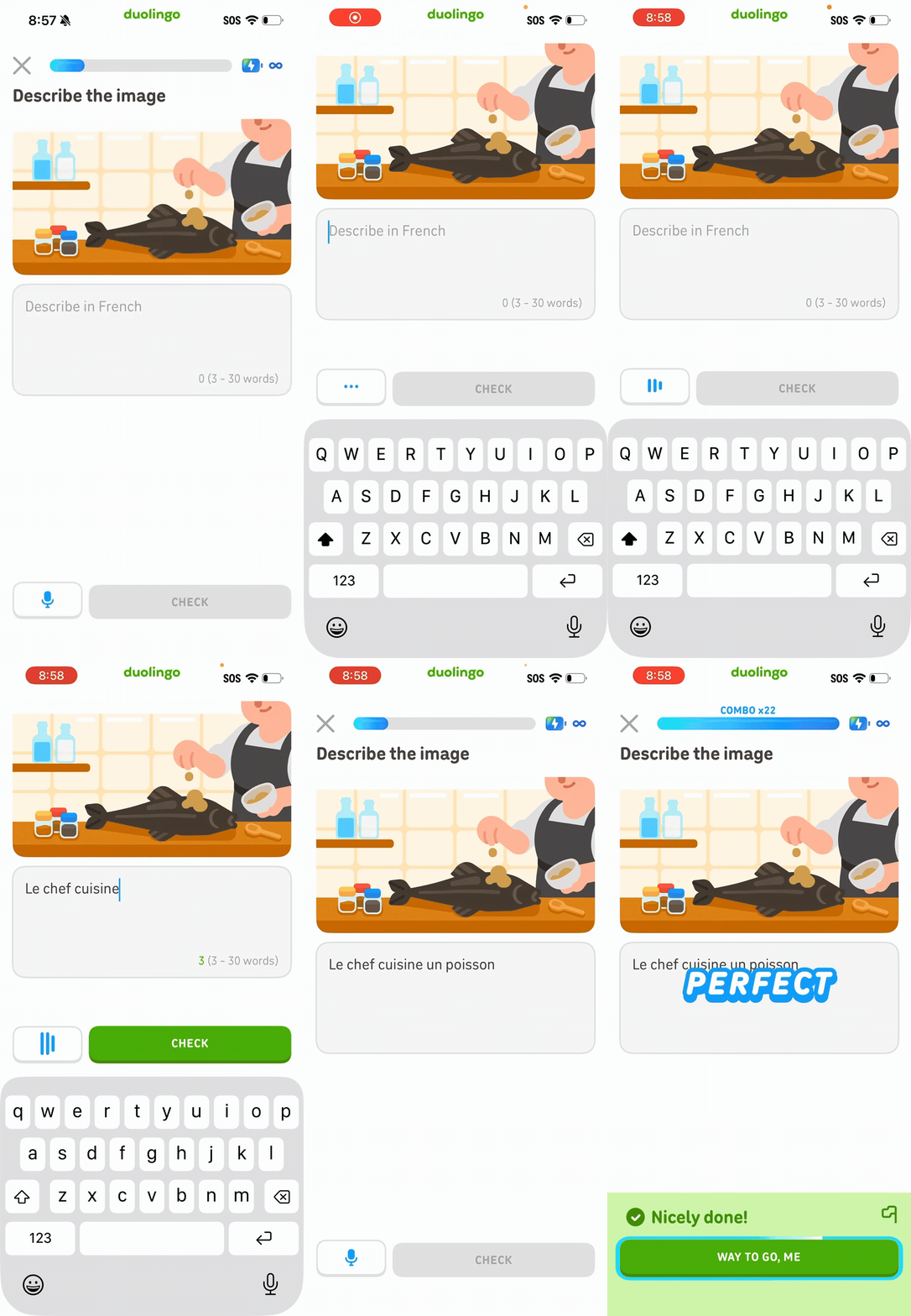
How do we help CEFR A2+ learners form their own sentences and speak confidently? I helped design an open-ended speaking exercise that asks learners to describe an image. Leading to an increase in time spent recalling.

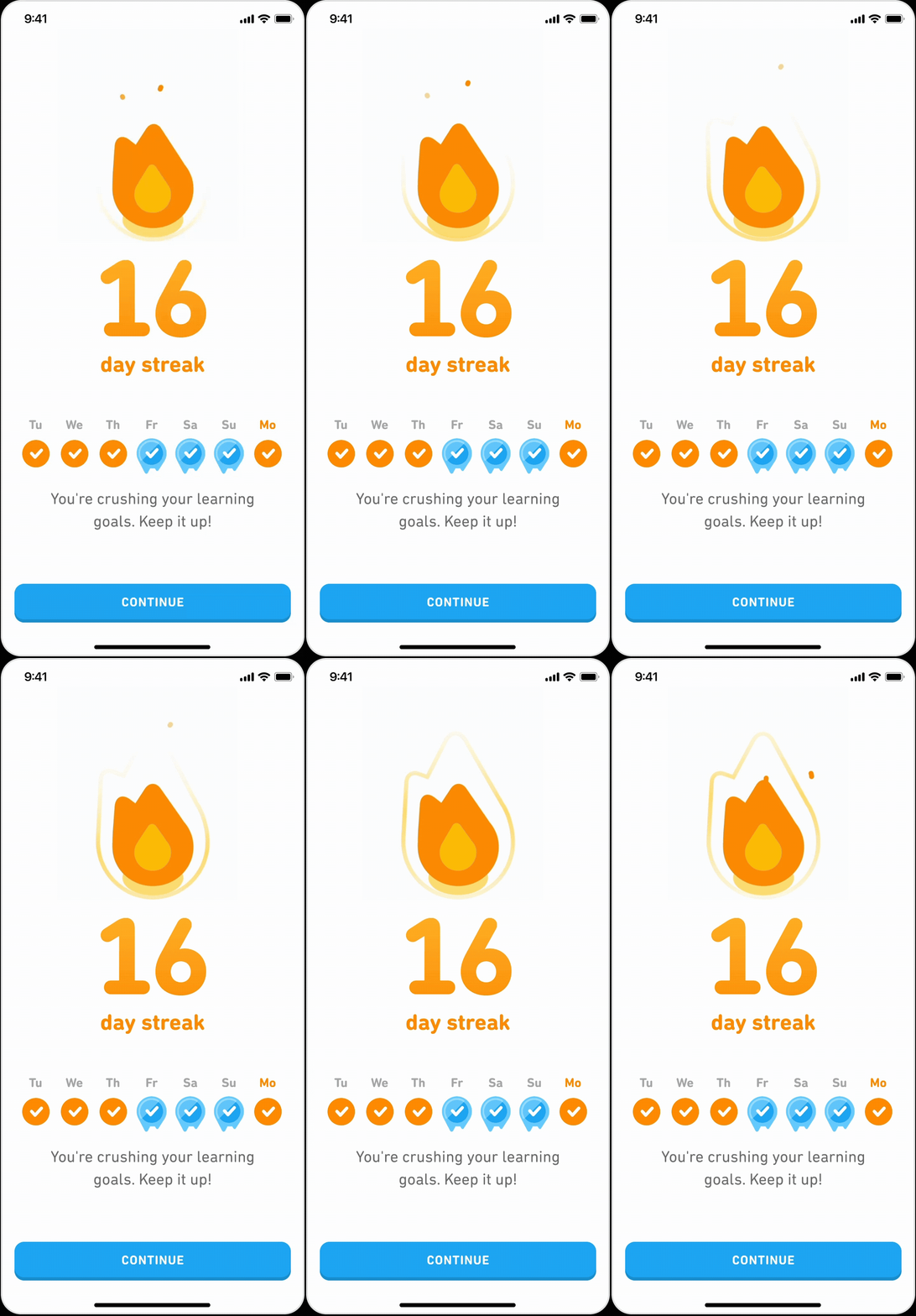
We have the streak mechanism, which is great at getting learners to come back to the app every day. But how do we get them to stay and keep learning without affecting the streak’s effectiveness? How do we increase TSL (time spent learning)? I designed a reward mechanism that celebrates extra effort without adding another daily requirement.
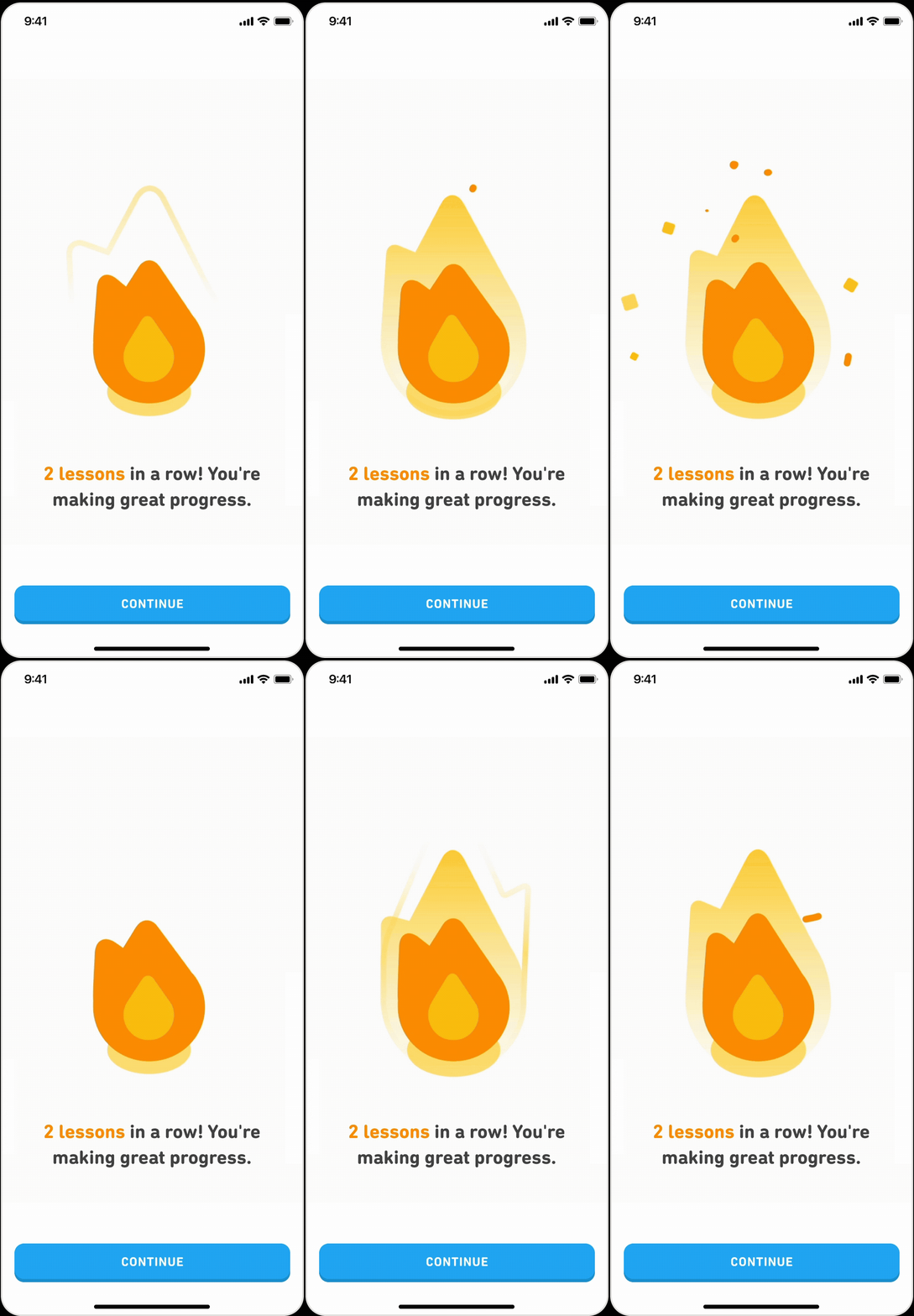
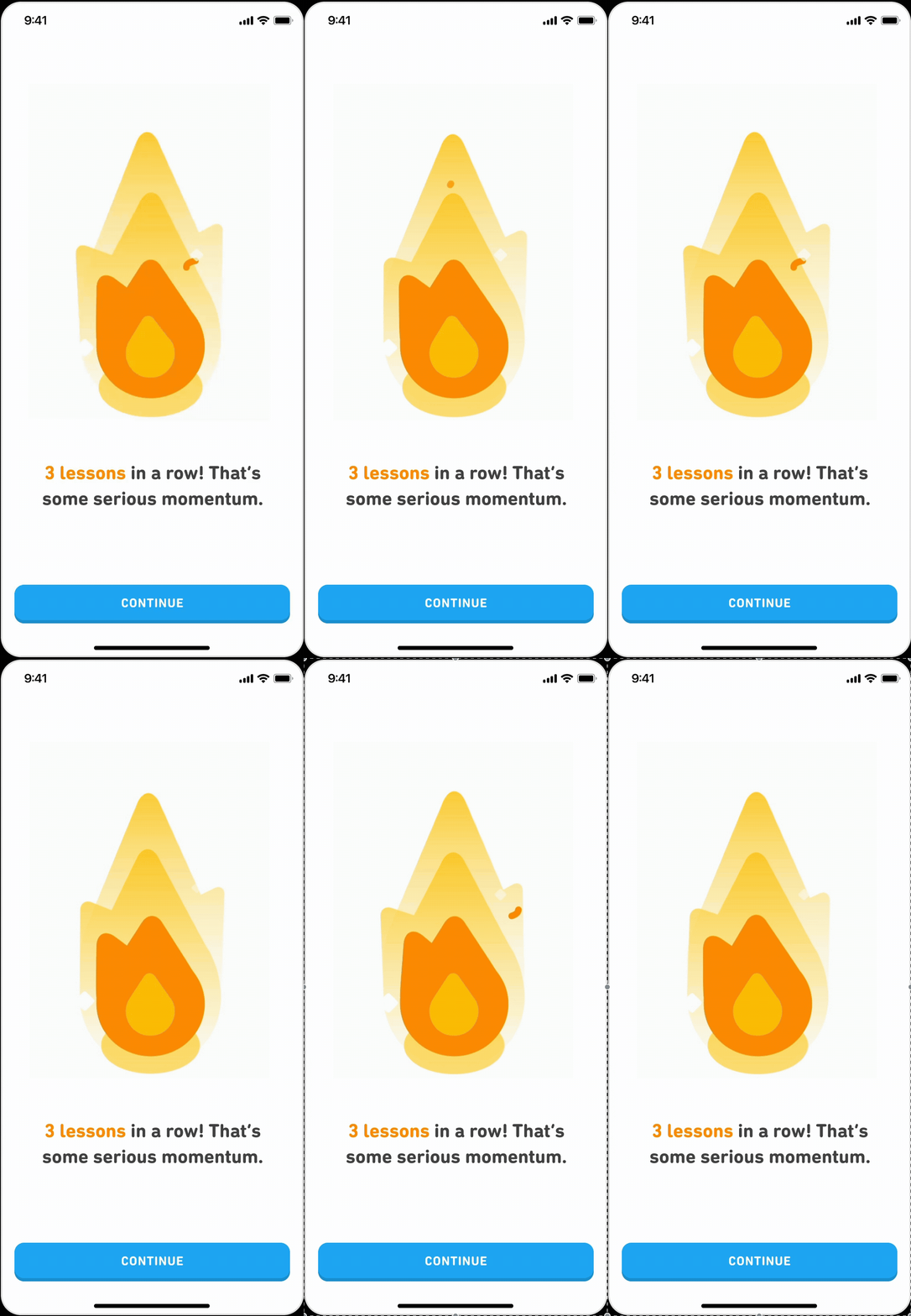
It’s not a phase, it’s a way of life. Three "quick" problems I dug into, sweated the details on, and refined to make Duolingo better for learners.


bottom of page